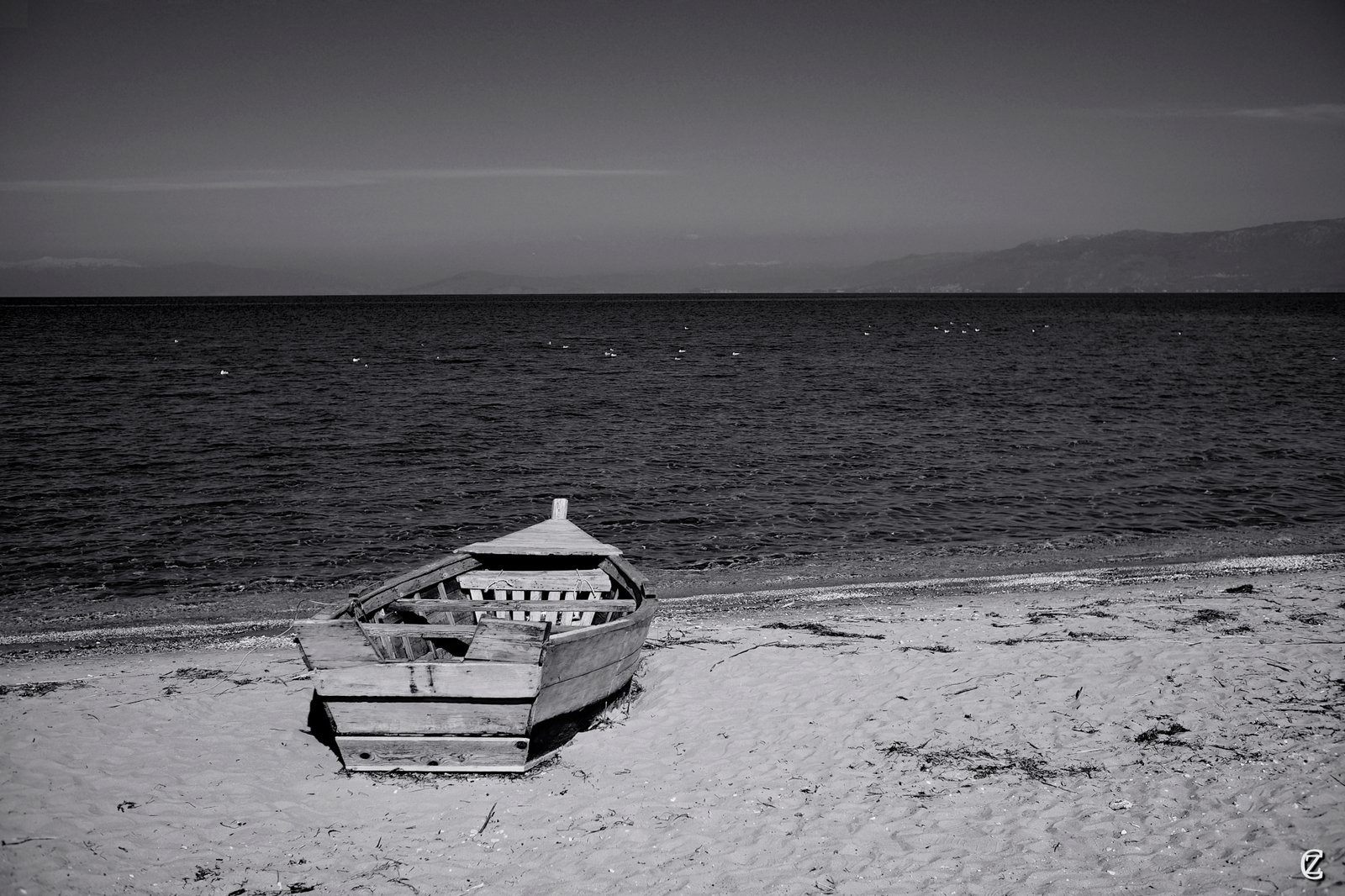
One of Europe's oldest living lakes
Lake Ohrid is one of the great natural wonders of Europe — not for its size, which is considerable, but for its age and the extraordinary biological complexity that has evolved within it. Scientists estimate the lake's origins at over five million years, placing it among the oldest lakes on the planet, in a category shared by Lake Baikal and Lake Tanganyika. While the world above its surface was reshaped by ice ages, tectonic upheaval, and the rise and fall of civilisations, the lake continued on its ancient path, nurturing life forms that exist nowhere else on earth.
The Albanian shoreline of Lake Ohrid — the southern and western shores — is administered from Pogradec, and this stretch of the lake is, in many ways, the quieter and wilder half. The waterfront here has not been heavily developed, and driving or walking the shore road reveals a landscape of olive trees, fishing villages, and cliffs dropping to water of impossible clarity. On a calm morning, the lake surface is a mirror for the Jablanica mountains; on a stormy afternoon, it becomes something altogether more primal.
The lake sits at an elevation of 693 metres above sea level, shared between Albania (roughly one-third) and North Macedonia (two-thirds). Its extraordinary clarity — visibility of up to 22 metres has been recorded — results from the unique combination of ancient underwater springs that feed it and the exceptional purity of its ancient biological filtration systems. To swim in Lake Ohrid is to swim in water that has been filtering itself for millions of years.
The Koran — the Ohrid trout — is the lake's most famous resident and, on the tables of Pogradec's restaurants, its most celebrated ambassador. This endemic salmonid has evolved in complete isolation within the lake's deep, clear waters for millions of years. Its flesh is distinctive: leaner and more delicate than river trout, with a flavour that reflects the extraordinary purity of the water it inhabits. The Koran is now a protected species, subject to strict seasonal fishing limits. To eat it during the legal season at a lakeside restaurant in Pogradec is to participate in a culinary tradition stretching back to the Illyrian settlements on these shores.
The European eel's presence in Lake Ohrid is one of natural history's great puzzles. These eels make extraordinary migrations — crossing the Adriatic, ascending rivers, navigating through the karstic underground water channels of Albania — to reach a landlocked lake hundreds of kilometres from the sea. Scientists believe they enter through subterranean springs, a journey of almost mythological improbability. The Ohrid eels grow to impressive sizes in the lake's depths and have been harvested here, with great care, for centuries. Their life cycle — from the Sargasso Sea to an Adriatic-landlocked Albanian lake — is still not fully understood.
Perhaps the least-known but most scientifically remarkable of the lake's endemics is the Ohrid sponge — a freshwater sponge found exclusively on the rocky lake bed of Ohrid at depths between 2 and 35 metres. Freshwater sponges are ancient organisms, and the Ohrid sponge represents a lineage that has evolved in complete genetic isolation for millions of years. Its role in the lake's ecosystem is significant: it filters enormous quantities of water, contributing to the exceptional clarity that makes Ohrid's waters so visually distinctive. The sponge is an indicator species — its health reflects the health of the lake itself — and scientists monitor its populations as a proxy for the lake's overall condition.
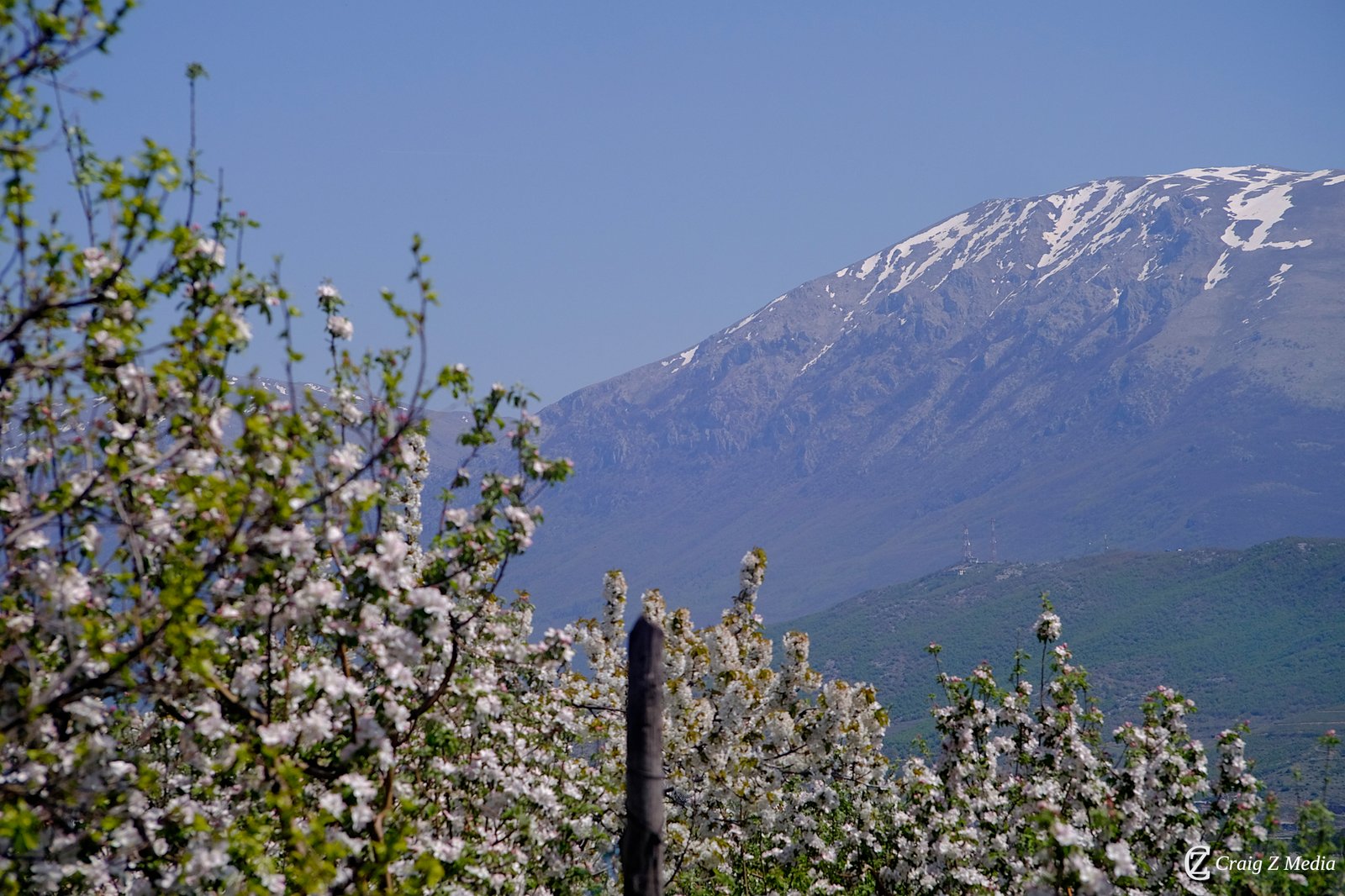
Two significant mountain ranges frame the Albanian side of Lake Ohrid. To the west, the Jablanica range rises steeply from the shoreline, its ridges reaching over 2,200 metres and forming the natural border with North Macedonia. To the east, Mali i Thatë — the Dry Mountain — presents a more austere limestone landscape with dramatic cliff faces and open pastures that have been grazed by sheep since antiquity. Both ranges fall within the boundaries of the Prespa-Ohrid National Park, one of Albania's most significant protected areas, which extends across the watershed shared between Albania, North Macedonia, and Greece.
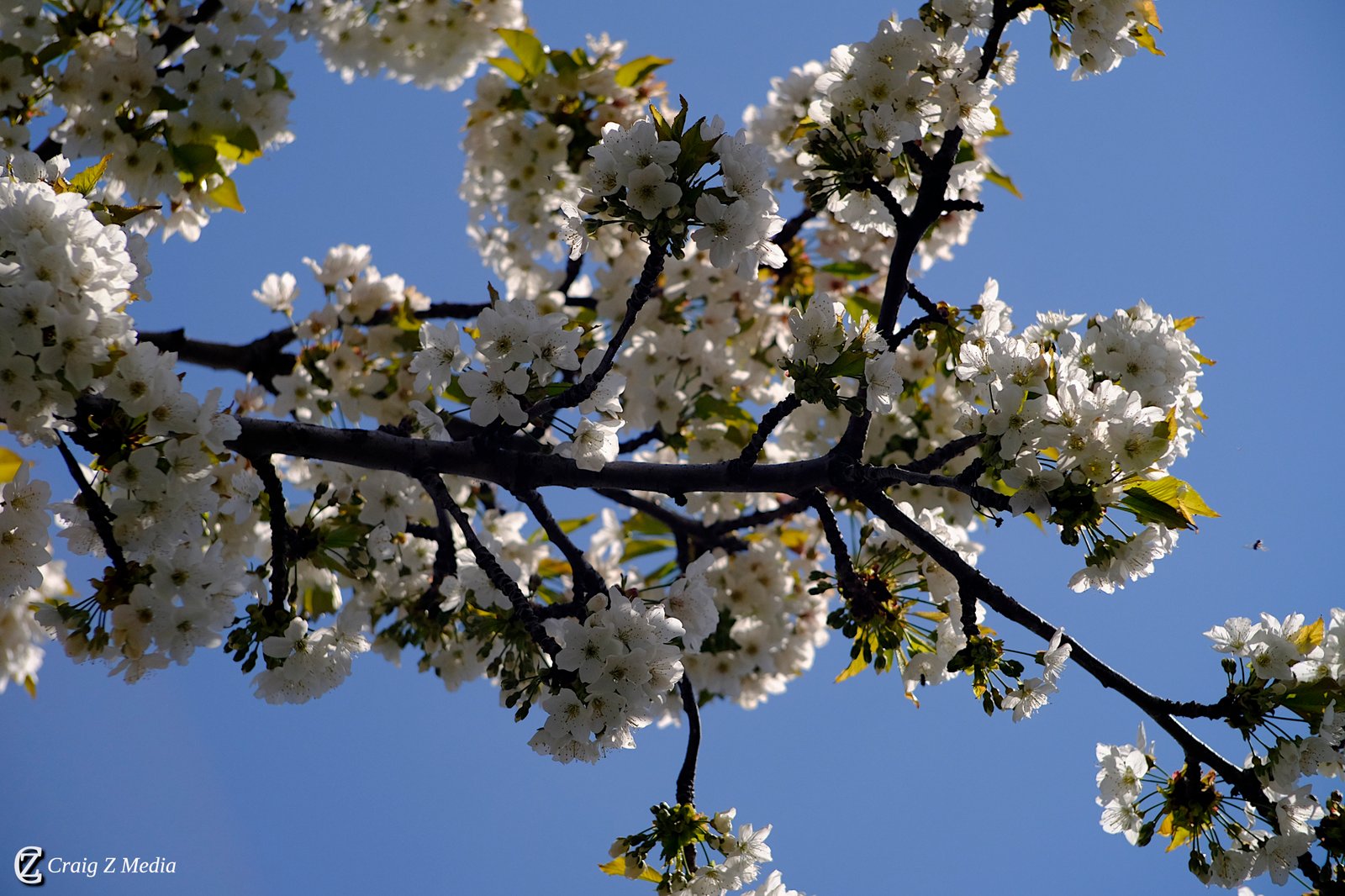
Below the mountain ridges, dense mixed forests of oak, beech, and hornbeam cover the slopes descending to the lake. These forests are among the best-preserved in Albania, partly as a consequence of the region's relative isolation and partly because of the protected area status that limits development. At the water's edge, reed beds and wetland margins provide critical habitat for waterbirds and act as natural filtration systems for the lake. The Drilon spring complex near Pogradec, where clear underground water emerges into a network of channels and ponds, is a particularly beautiful example of the karstic hydrology that shapes the entire landscape. Wetland orchids, marsh harriers, and kingfishers are regular inhabitants of these transitional zones.
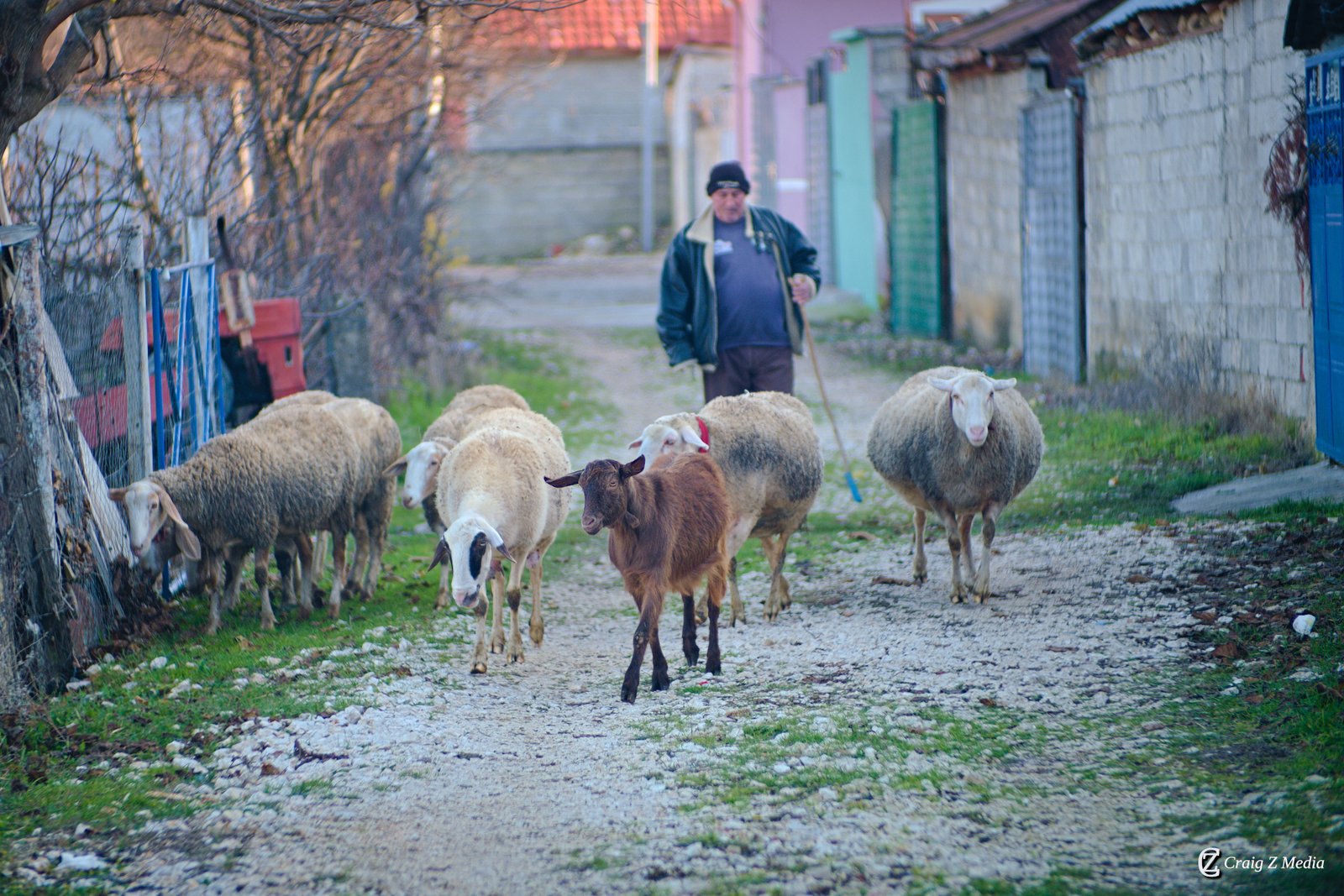
Lake Ohrid's UNESCO World Heritage status, shared between Albania and North Macedonia, reflects international recognition of what is at stake here. The lake's extraordinary biodiversity — developed over millions of years of isolation — cannot be recreated if it is lost. The endemic species that live only in these waters have nowhere else to go.
Conservation in the Lake Ohrid basin is an ongoing, complex effort involving two national governments, international scientific bodies, local communities, and the tourism sector. The challenges are familiar: water pollution from agricultural runoff and inadequate wastewater treatment; overfishing and illegal fishing during protected seasons; uncontrolled development on sensitive shoreline; and the long-term pressure of climate change on water temperature and levels.
Progress is being made. Wastewater infrastructure has improved substantially on the Albanian side. Fishing regulations are increasingly enforced. And a growing awareness among residents and visitors alike of what makes this lake extraordinary is itself a conservation force — because people protect what they understand and love.
Lake Ohrid was inscribed on the UNESCO World Heritage List in 1979 (North Macedonia) and extended to the Albanian side in 2019. The inscription recognises both the outstanding universal value of the lake's natural environment and its cultural and historical significance. UNESCO monitoring reviews the lake's conservation status on a regular cycle, providing external accountability for protection measures.
A joint Albanian-North Macedonian management framework coordinates conservation activities across the shared lake. Albanian national park legislation protects the Prespa-Ohrid watershed. EU-funded environmental programmes have supported wastewater treatment upgrades, habitat mapping, and sustainable fisheries management. Scientific monitoring of endemic species populations continues under the Lake Ohrid Conservation Project, a long-running international collaboration.
Responsible tourism is one of the most direct forms of conservation support available to visitors. Choose restaurants that respect seasonal fishing restrictions and source fish legally. Avoid purchasing corals, shells, or wildlife products. Take rubbish away from natural areas. Stay on marked trails to avoid disturbing nesting birds and fragile vegetation. Support locally owned businesses — when tourism revenue flows to local communities, those communities have economic reasons to protect the natural environment on which it depends.
The lake has survived five million years. With care, it will survive our generation too — and every generation that follows. Its future depends in part on the choices made by everyone who falls under its spell.
Learn more about the ecosystem